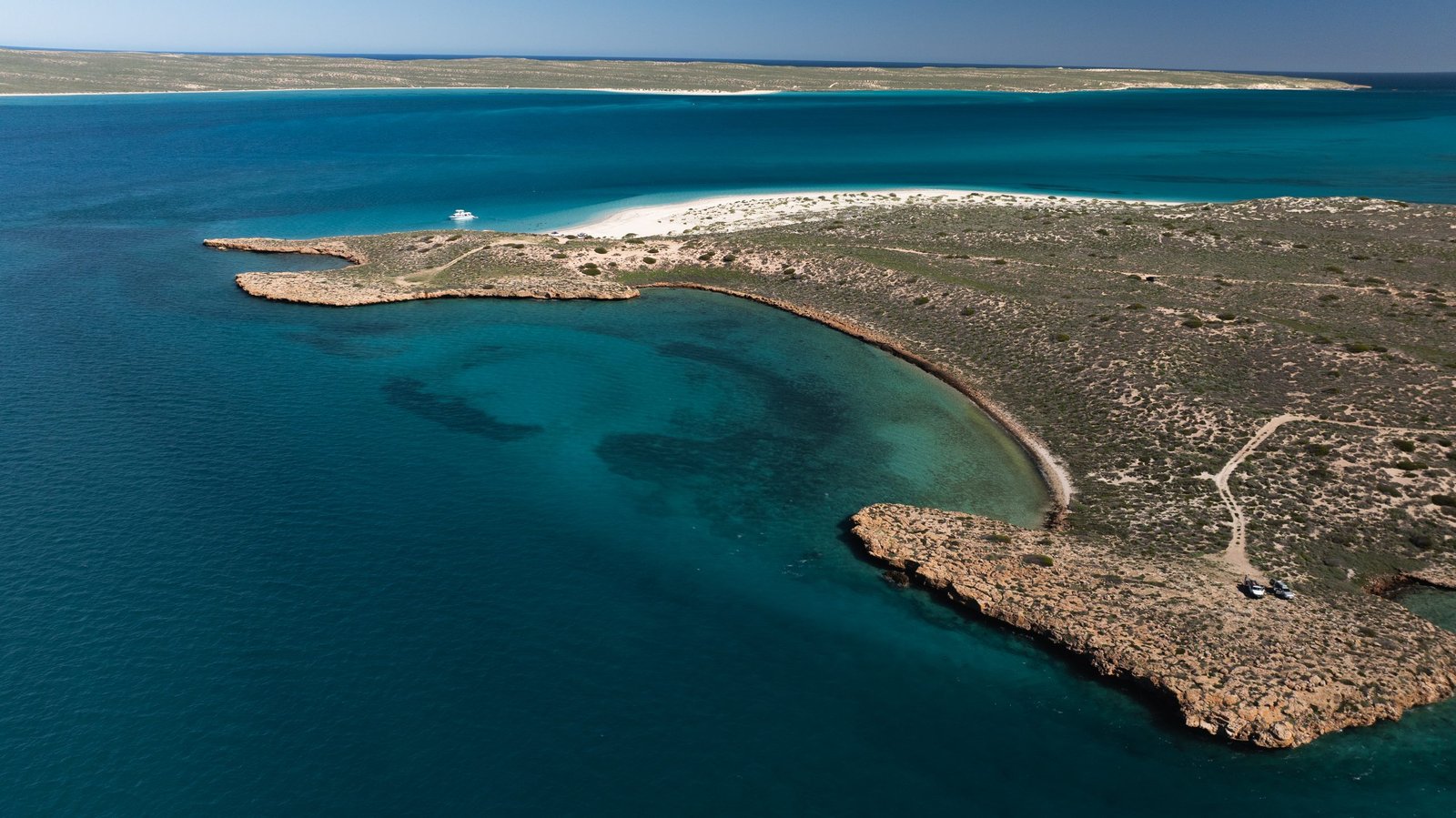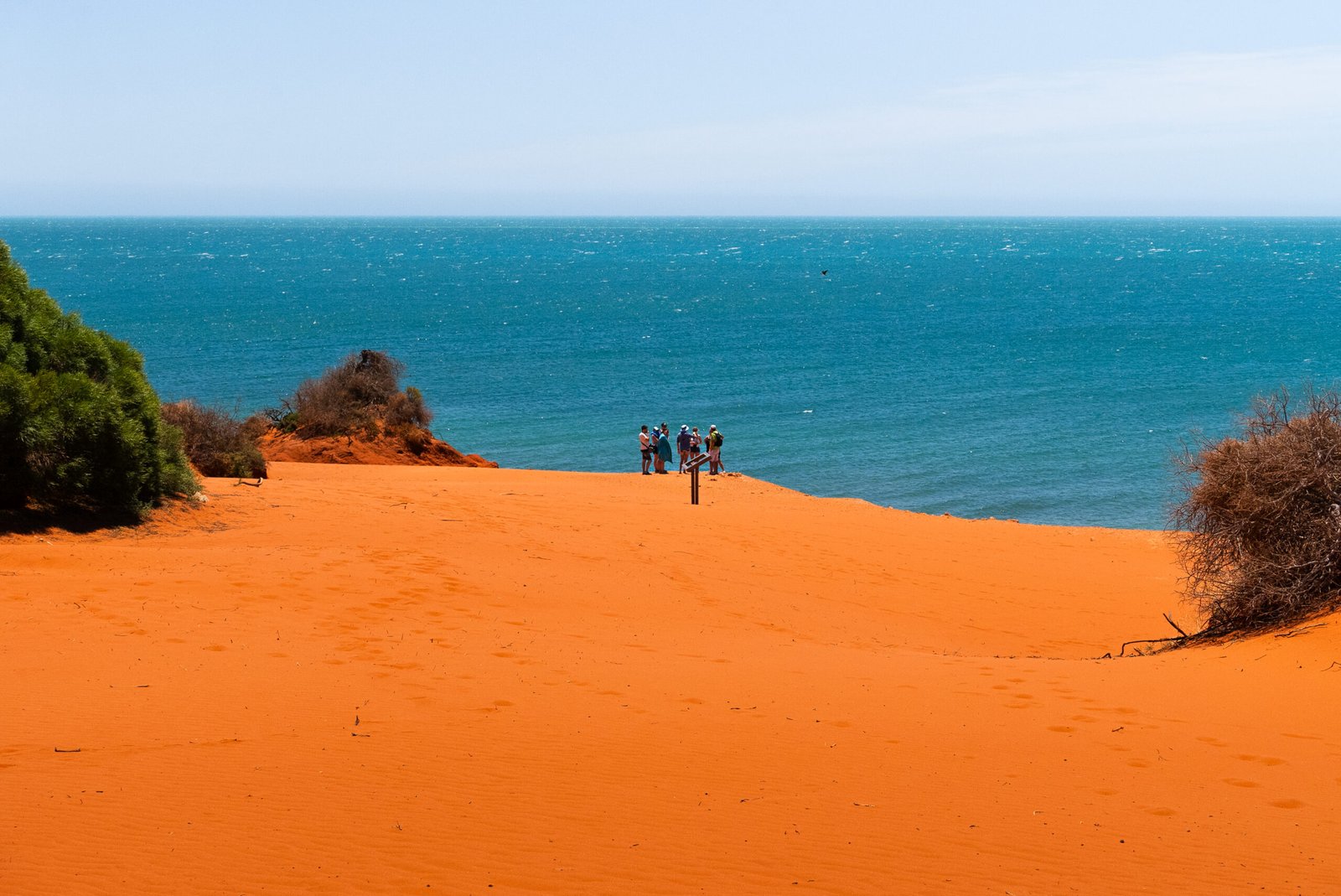
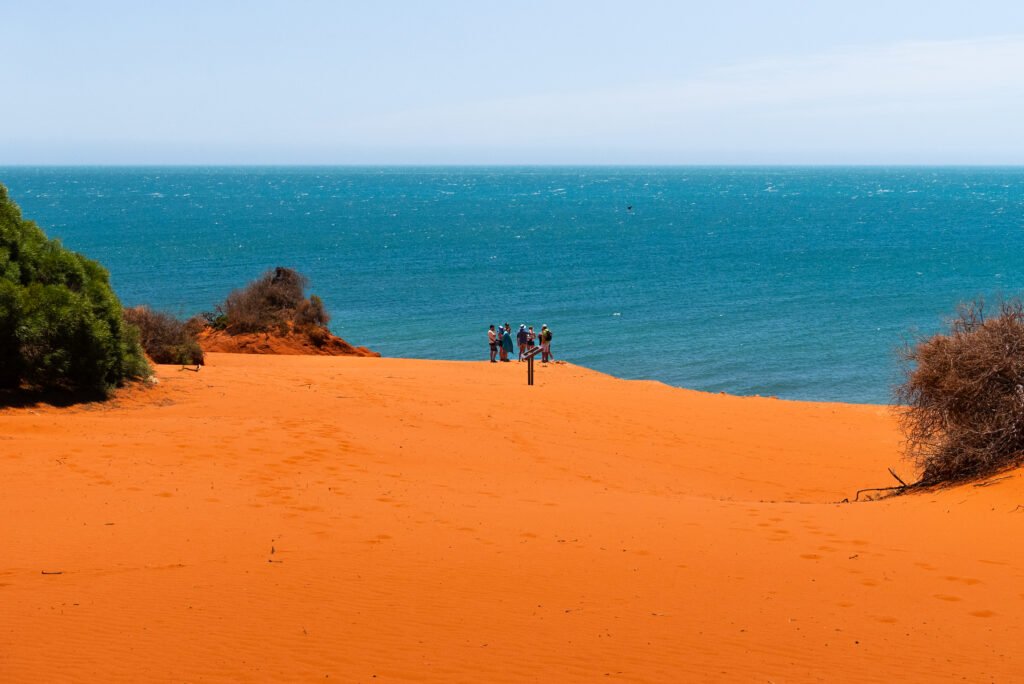
Ten minutes north of Denham, the bitumen ends. The red dirt begins. Francois Peron National Park is Shark Bay at its wildest. Rolling red dunes. Rust-coloured cliffs. Water so turquoise it barely looks real.
It’s one of the most photographed corners of the World Heritage Area. It’s also one of the most rewarding to actually get into. Here’s what to know before you go, whether you’re self-driving or joining a Francois Peron National Park tour.
Track Conditions: What to Expect
Francois Peron is a high-clearance 4WD park, full stop. The tracks are soft, deep sand, with stretches of beach driving along the way. Previous 4WD experience is strongly recommended if you’re taking your own vehicle in. This isn’t the place to learn.
The softest sand sits between South Gregories and Bottle Bay, further north into the park. Most vehicles that get bogged, get bogged here. Take it slow through this stretch, but keep momentum. Steady on the revs and roll through.
Let your tyres down to around 15–16 PSI before entering. Lower pressure means far better traction in soft sand. There’s a compressor station at the start of the 4WD section. Air back up there on your way out.
Skip the Wheel, Join the Tour
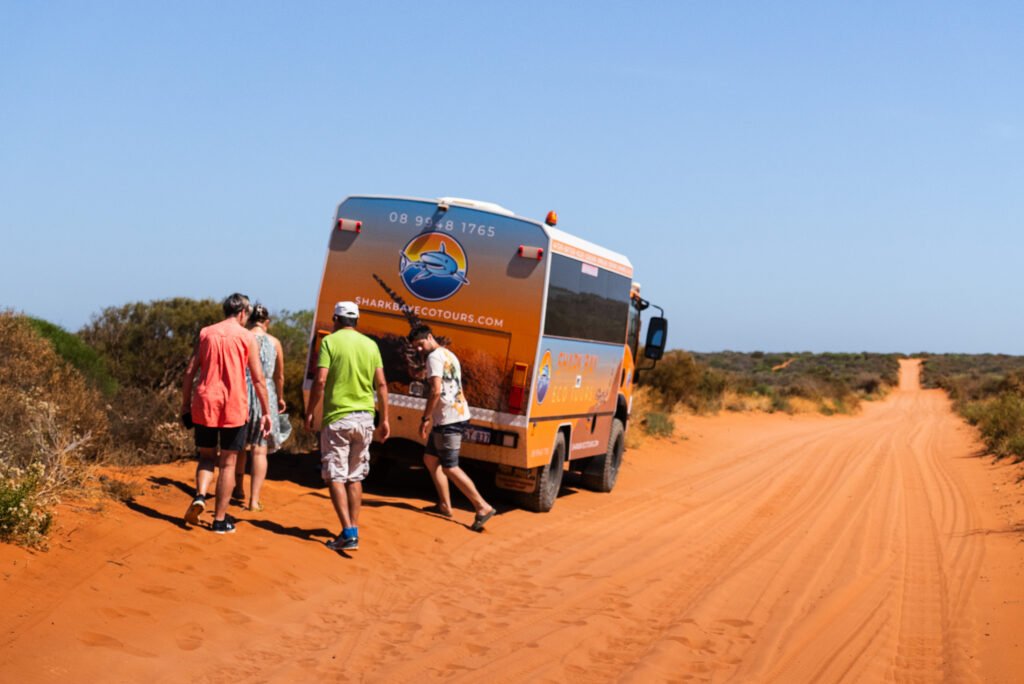
Prefer to skip the sand driving altogether? That’s exactly what our Francois Peron four wheel drive tour is for. We handle the tracks and the tyre pressures. You just take in the scenery.
Our Francois Peron National Park tour runs deep into the park. Well beyond where most self-drivers turn back. A full day out with us can take in Cape Peron, Skipjack Point, and Bottle Bay. Depending on conditions, we’ll push on to Herald Bight or Cattle Well too. It’s the easiest way to see the park properly, without any risk of getting stuck.
Why the Sand Is Red
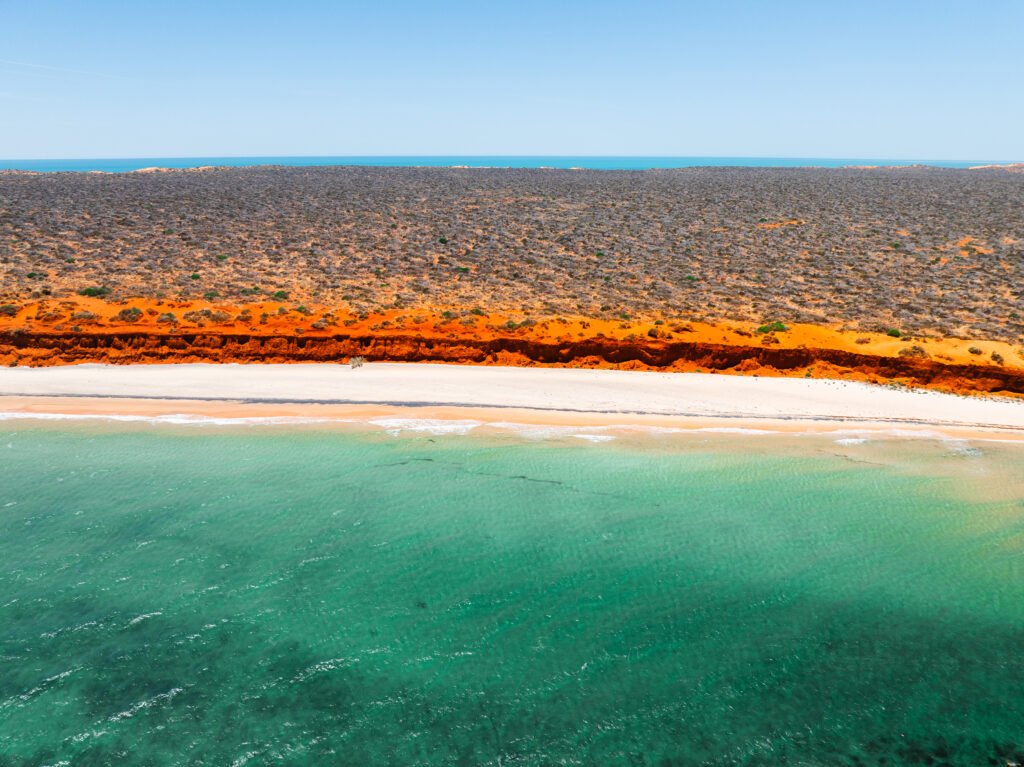
The colour of Francois Peron’s dunes isn’t a trick of the light. It’s geology. Over roughly two million years, sand blew in from ancient inland ranges. It built up against a ridge known as the Peron anticline. The result is what’s now called Peron sandstone. Each grain carries a thin coating of iron oxide — essentially rust. That’s what gives the dunes their deep red colour. Peron sandstone runs beneath most of Shark Bay, but it’s only exposed here, on the Peron Peninsula.
The park also sits on Malgana Country. Their connection to this landscape goes back tens of thousands of years. It’s worth keeping in mind from the lookout at Skipjack Point or Cape Peron.
Wildlife by Season
Francois Peron looks different depending on when you visit. Both seasons have their own appeal.
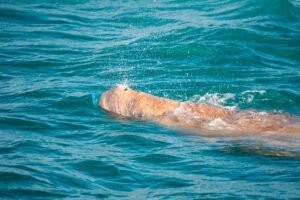
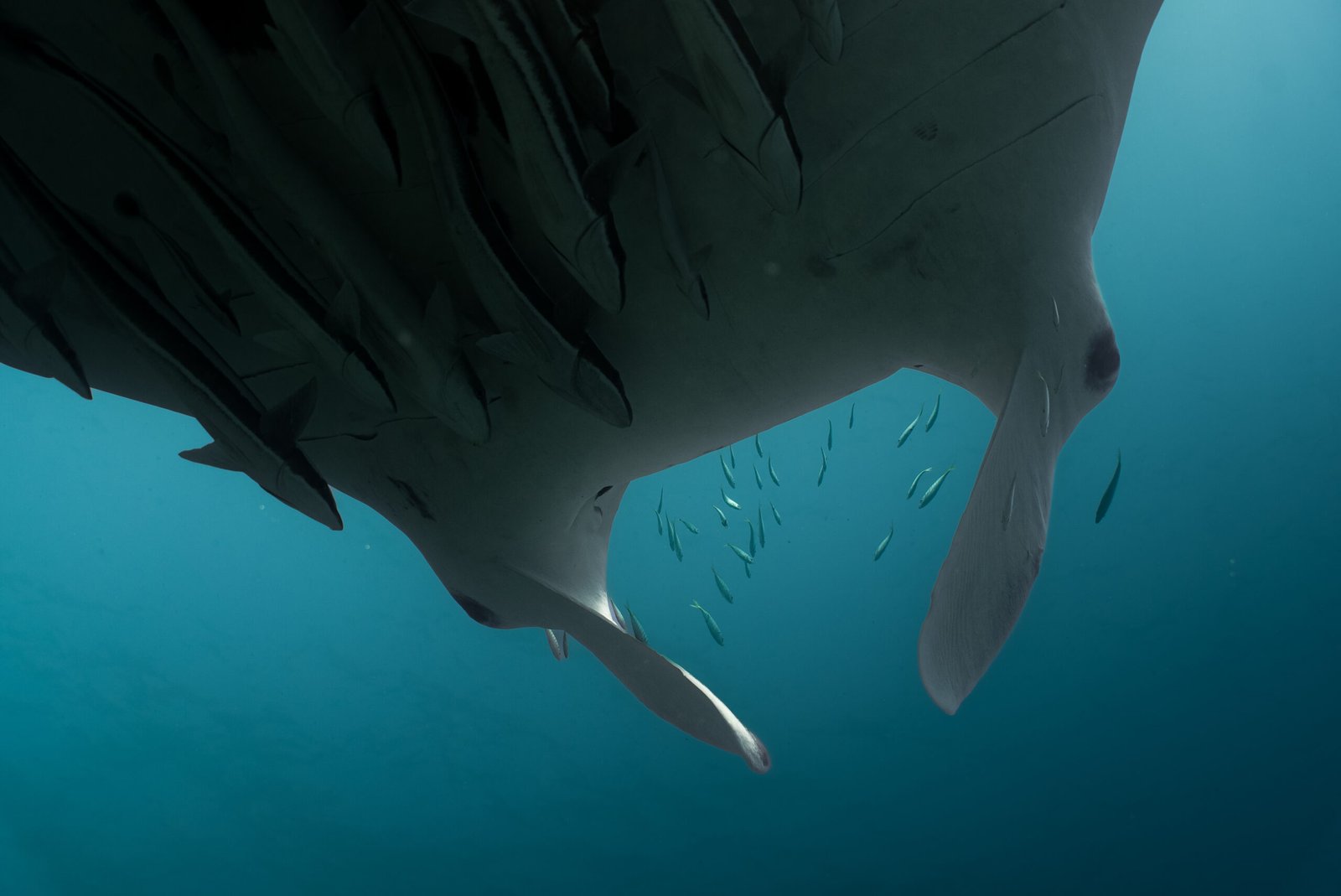
Winter brings the marine wildlife out. On tour through this period, it’s common to spot dugongs, dolphins, and the occasional small shark. Skipjack Point is one of the best lookouts in the entire bay for this. The cliffs put you right above the action.
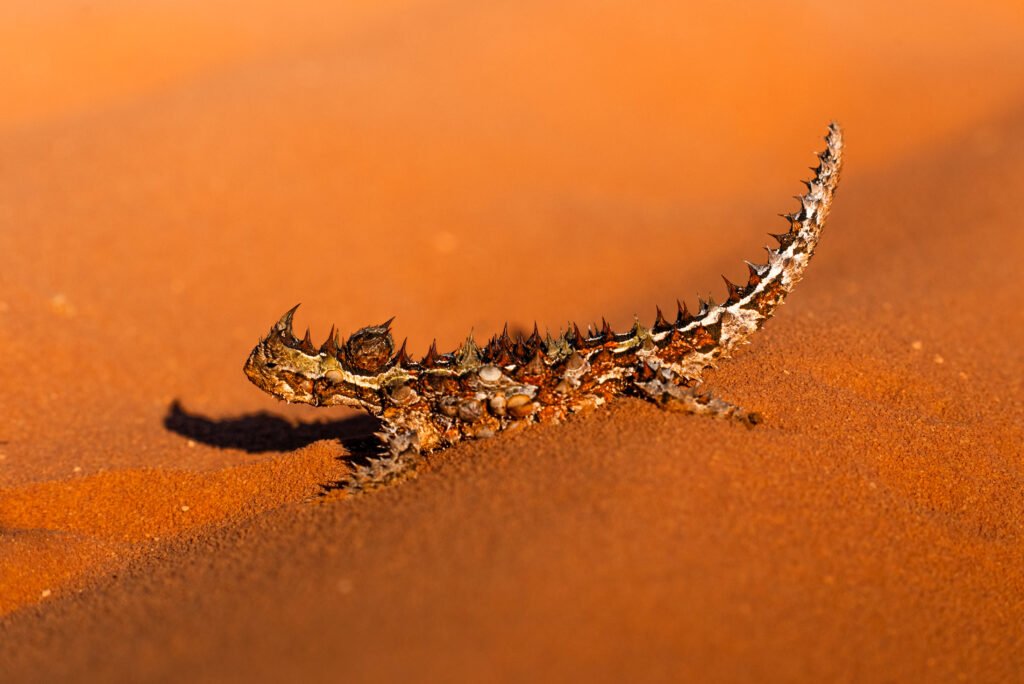
From spring through summer, it’s the land that comes alive. Reptiles start to emerge in numbers — bearded dragons, Gould’s goannas, and the park’s most iconic resident, the thorny devil. You’ll also see more emus and kangaroos moving through the park during these warmer months.
Why It’s a Must-Do
Francois Peron isn’t just a scenic drive. It’s one of the few places in Australia where red desert sand runs straight into a turquoise, World Heritage—listed bay. Few national parks pack this much geology, wildlife, and raw coastal scenery into one afternoon. Tackle it yourself in a 4WD, or join our Francois Peron National Park tour. Either way, it’s one of the most complete Shark Bay experiences going — and it changes with every season you visit.
Bring your own 4WD, or come explore it with us. Our Francois Peron four wheel drive tour runs daily, with pickup available from Shoreline Cafe in Denham.