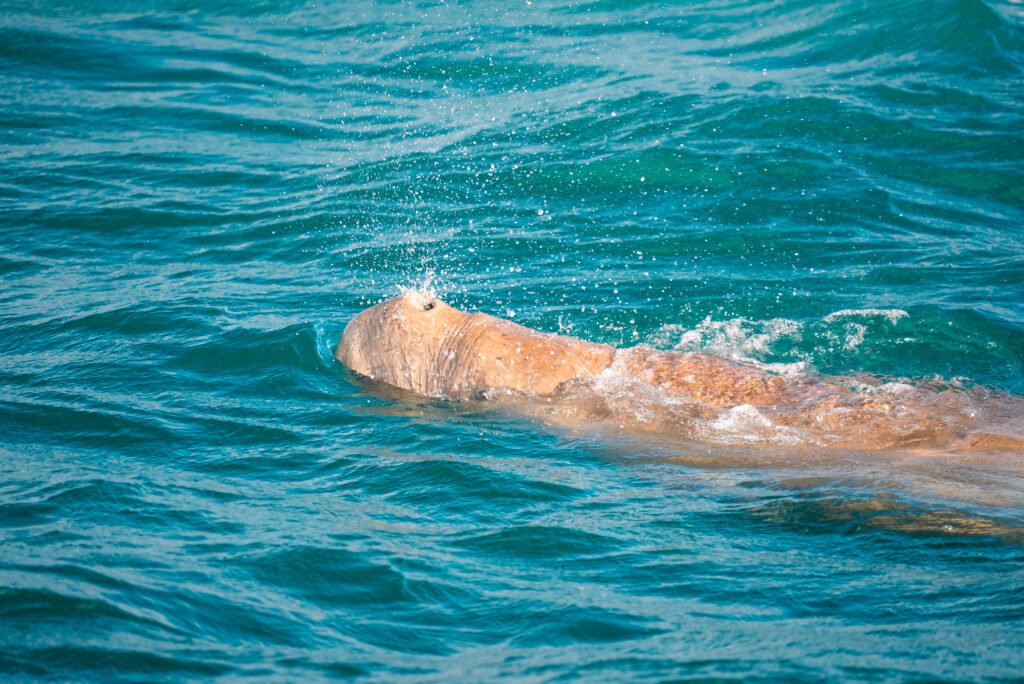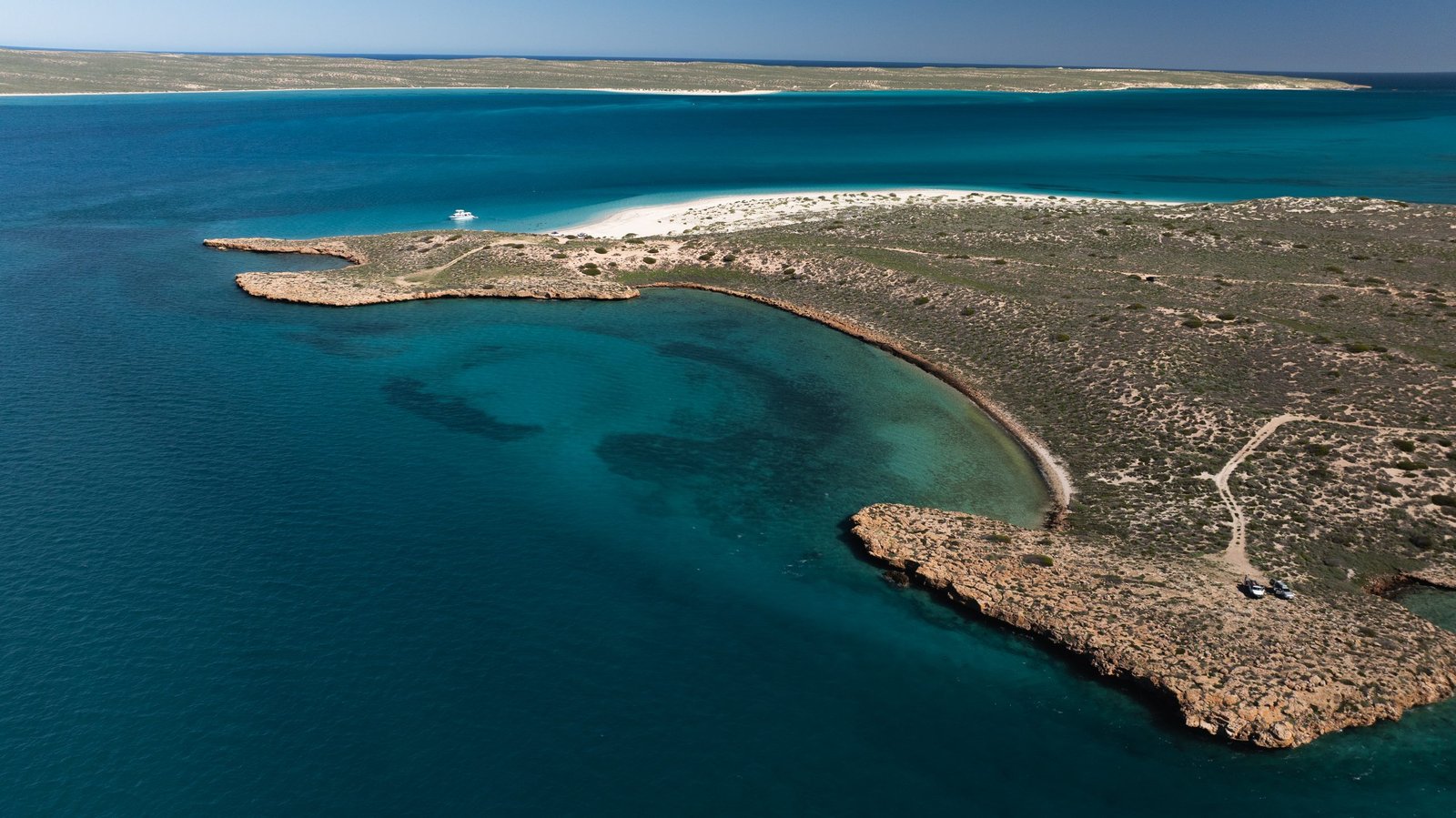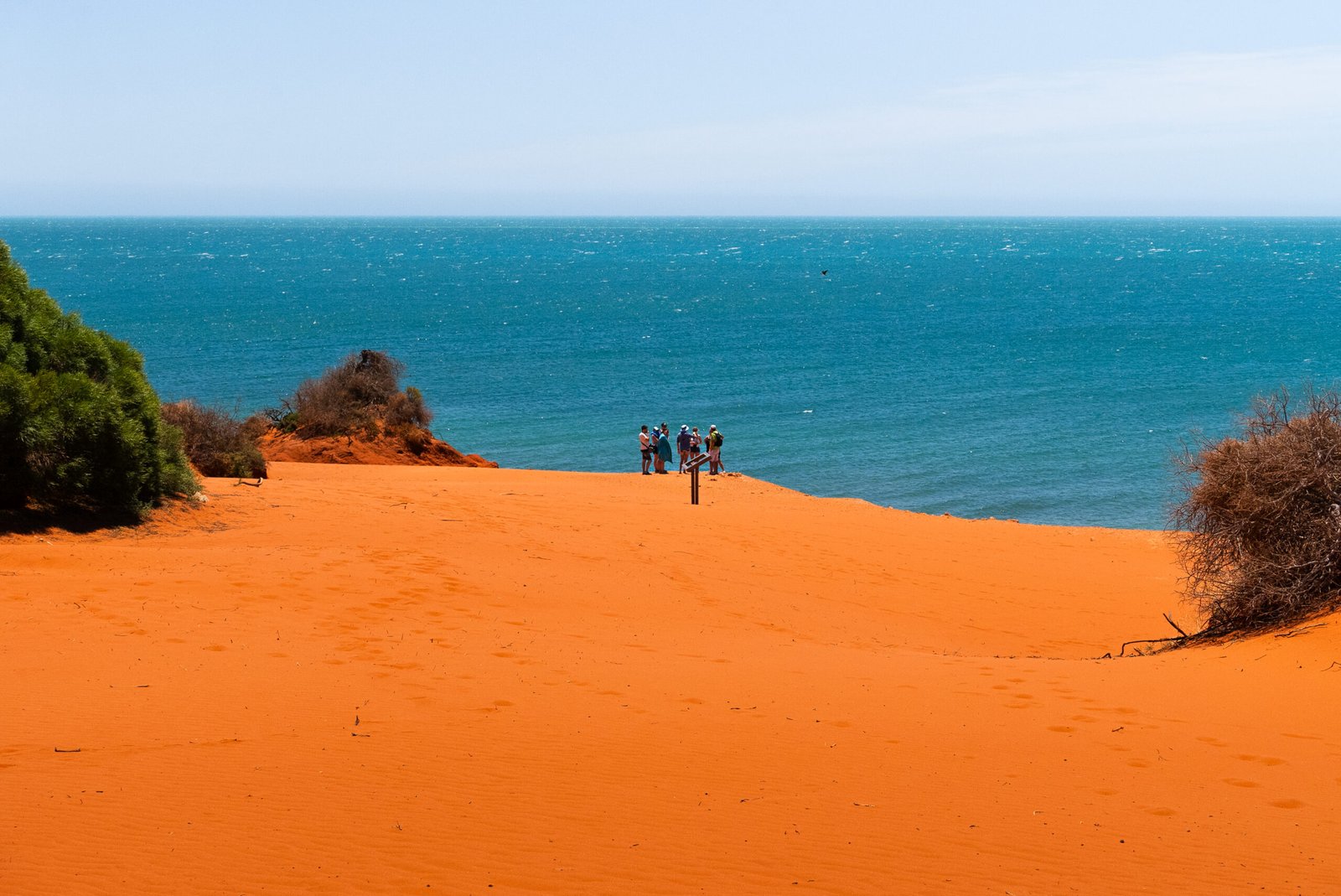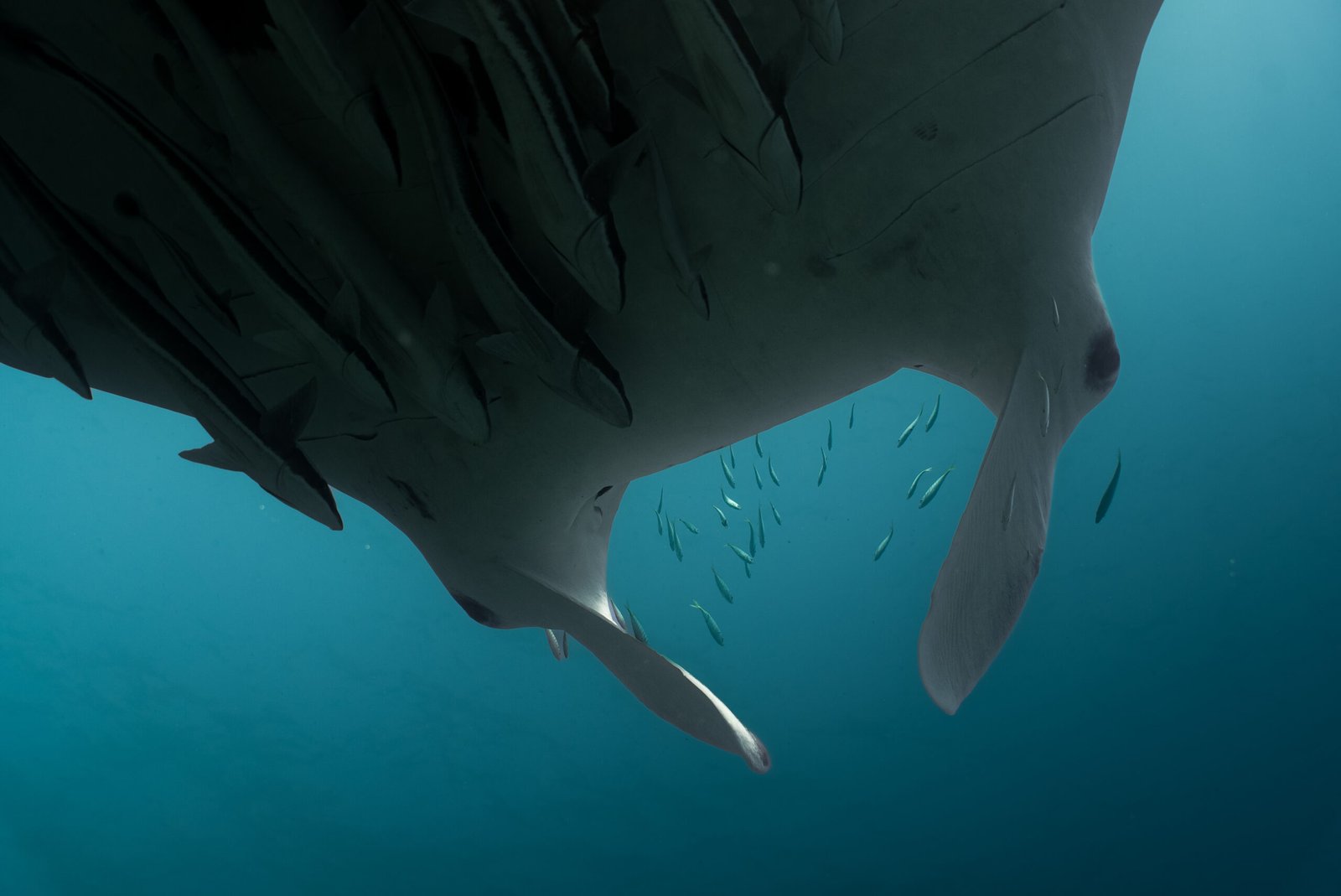
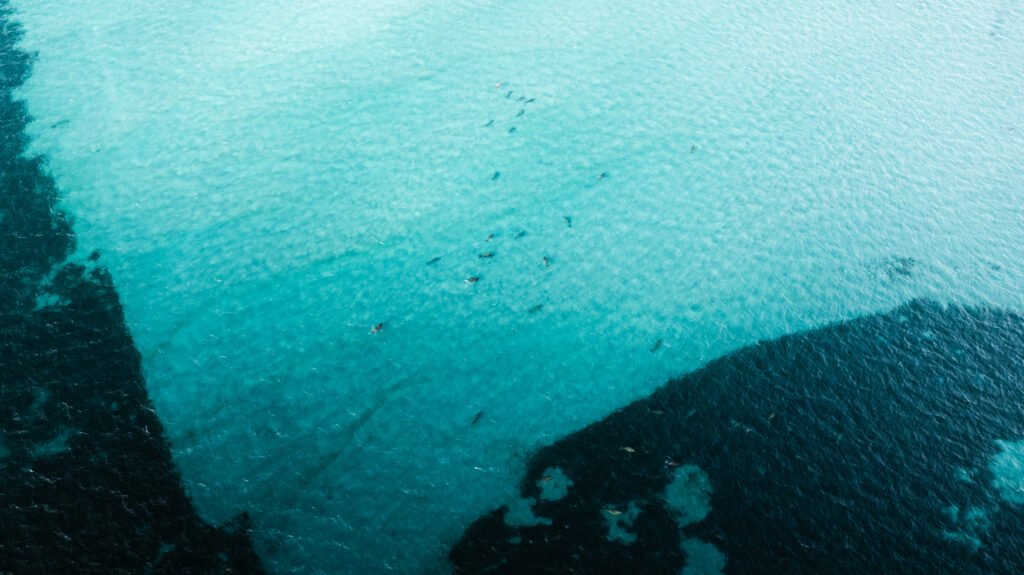
If there’s one animal that visitors to Shark Bay hope to see above all others, it’s the dugong. These gentle, seagrass-grazing marine mammals are one of the true icons of the Shark Bay World Heritage Area — and for good reason. Shark Bay is home to one of the largest and most stable dugong populations on Earth, making it one of the best places in the world to spot one in the wild.
Here’s everything you need to know about these fascinating “sea cows” before your next Shark Bay adventure.
A Species Under Pressure
Dugongs are listed as vulnerable to extinction, and their numbers have declined across much of their range due to habitat loss, boat strikes, and entanglement in fishing gear. Because they’re slow-breeding animals — a female typically has just one calf every few years — populations recover very slowly once numbers drop.
In parts of northern Australia, dugongs are still hunted by Aboriginal communities under traditional native title rights. This is a long-standing cultural practice, and it’s tightly regulated: only a limited number of dugongs may be taken each year, and only using traditional hunting methods. It’s a small but important part of the broader picture of how dugongs are managed and protected across Australian waters.
Shark Bay: A Global Stronghold
Shark Bay’s population is estimated at somewhere between 10,000 and 13,000 dugongs — making it one of the largest concentrations of dugongs anywhere in the world, and a major reason the region earned its UNESCO World Heritage listing in the first place.
Despite these numbers, dugongs are surprisingly hard to spot. Unlike dolphins, which surface with an obvious blowhole, dugongs breathe through two small nostrils on top of their snout, barely breaking the surface before disappearing again. Keep your eyes peeled — blink and you’ll miss them.
Built for Grazing
Dugongs are the ocean’s lawnmowers. An adult can eat around 40–50kg of seagrass a day, using its flexible, muscular upper lip to root through the seabed for the good stuff.
Interestingly, dugongs struggle to digest food properly once water temperatures drop below about 19°C. To stay in warmer water year-round, Shark Bay’s dugongs make a seasonal micro-migration, moving between areas like Monkey Mia and Dirk Hartog Island as water temperatures shift — a neat example of how finely tuned these animals are to their environment.
Size, Speed and Stamina
Dugongs are bigger — and faster — than most people expect. On average, adults reach around 2.7 metres and weigh between 300 and 500kg, though the largest individuals ever recorded have topped 3 metres and weighed close to a tonne.
They’re not exactly built for speed most of the time, but when they need to move, dugongs can put on a surprising burst — reaching speeds of up to 42km/h, comparable to a dolphin. They’re also capable of holding their breath for up to 7–9 minutes in short bursts, though a typical dive for feeding or resting sits closer to 3.5–5 minutes.
The Mermaid Connection
Long before dugongs were properly understood by science, sailors returning from long voyages spotted them lounging near the surface and mistook them for something altogether more mythical. It’s widely believed dugongs — along with their manatee cousins — are the real-world origin of mermaid legends.
The connection runs right through to their scientific classification: dugongs belong to the order Sirenia, a name drawn directly from the sirens of Greek mythology. Their scientific name, Dugong dugon, comes from the Malay word for the species, but their entire taxonomic family carries the echo of those old sailors’ tales.
See Them for Yourself
Shark Bay remains one of the few places on the planet where encountering a dugong in the wild is a realistic — if never guaranteed — possibility. Whether you’re snorkelling, diving, or simply out on the water, keeping a respectful distance and quiet presence gives you the best chance of a genuine sighting.
Want to try your luck? Join us on one of our wildlife or eco tours through the Shark Bay World Heritage Area, where dugongs share the water with dolphins, turtles, and some of the healthiest seagrass meadows left in the world.